
Meditation is a practice that involves training the mind to focus and redirect thoughts. It is a technique that helps individuals cultivate mindfulness, relaxation, and inner peace. During meditation, one typically sits in a comfortable position, closes their eyes, and engages in various methods such as focusing on the breath, repeating a mantra, or observing thoughts without judgment. Regular meditation reduces stress, enhances self-awareness, improves concentration, and promotes overall well-being.
Types Of Meditation
Meditation can take on many different forms, but there are two main types: concentrative meditation and mindfulness meditation:
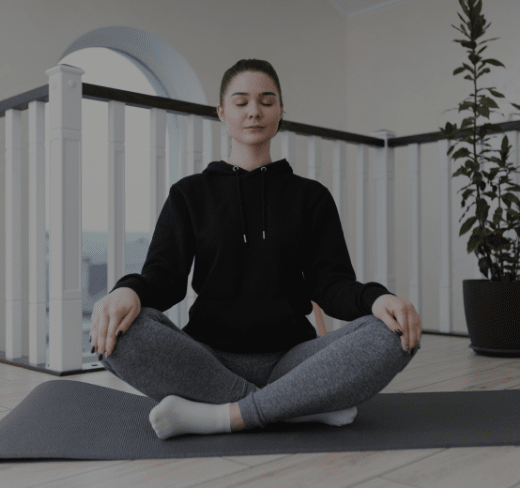
Concentrative meditation involves focusing on a specific thing while tuning out everything around you. To reach a higher state of being, the goal is to experience whatever you are focusing on, whether it’s your breath, a specific word, or a mantra.
Concentrative Meditation
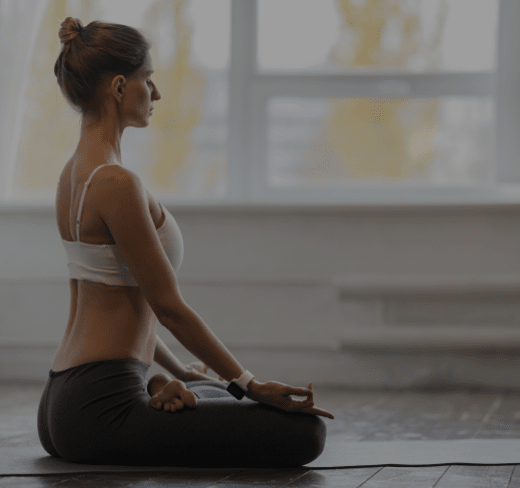
Mindfulness meditation includes, among others, both mindfulness-based stress reduction (MBSR) and mindfulness-based cognitive therapy (MBCT). Mindfulness can target different issues, such as depression, meaning its focus may differ from practice to practice. Overall, it involves being aware of and involved in the present moment and making yourself open, aware, and accepting.
Mindfulness Meditation
While there are many different forms of meditation and ways to practice, learning a basic meditation for beginners is a great place to begin:
- Choose a quiet spot free of distractions:
Turn off your phone, television, and other distractions. If you choose to play quiet music, select something calm and repetitive.
- Set a time limit:
If you are just starting, stick to shorter sessions of about 5 to 10 minutes.
- Pay attention to your body and get comfortable:
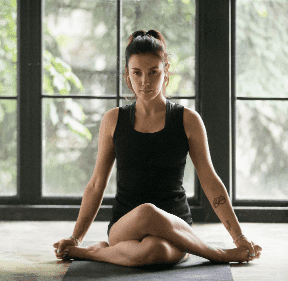
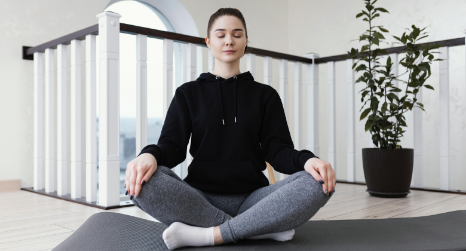
You can sit cross-legged on the floor or in a chair as long as you feel you can sit comfortably for several minutes.
- Focus on your breathing:
Try taking deep breaths that expand your belly and then slowly exhale. Pay attention to how each breath feels.
- Notice your thoughts:
The purpose of meditation is not to clear your mind—your mind will inevitably wander. Instead, focus on gently bringing your attention back to your breath whenever you notice your thoughts drifting. Don’t judge your thoughts or try to analyze them; simply direct your mind back to your deep breathing.

- Better management of symptoms related to anxiety disorders, depression, sleep disorders, pain issues, and high blood pressure
- Better stress management skills
- Changes in different aspects of attention and mindfulness
- Increased self-awareness
- Improved emotional well-being
- Improved working memory and fluid intelligence
- Improved immunity
- Greater empathy for yourself and others
- Headache relief


Meditation has a rich history that dates back thousands of years.
- Meditation can be traced back to ancient civilizations such as India, China, and Egypt.
- The earliest documented records of meditation techniques can be found in ancient Indian texts known as the Vedas, which date back to around 1500 BCE.
- In China, meditation practices were developed in Taoist traditions, focusing on cultivating inner stillness and harmony with nature.
- In the 20th century, meditation gained popularity in the West, thanks to the efforts of teachers such as Swami Vivekananda and Paramahansa Yogananda and the introduction of mindfulness meditation by figures like Jon Kabat-Zinn.
- In India, meditation has been practiced for over 5,000 years. It is deeply rooted in spiritual traditions such as Hinduism and Buddhism.
- Meditation was also an integral part of the teachings of Gautama Buddha, who emphasized mindfulness and meditation as a means to attain enlightenment.
- Around the 5th century BCE, meditation techniques spread from India to other parts of Asia, including Tibet, Japan, and Korea, where they were incorporated into various religious and philosophical traditions.
- Today, meditation is practiced by people from diverse backgrounds, both as a spiritual discipline and as a secular practice for stress reduction, relaxation, and overall well-being.
Meditation needs to be practiced daily if you want to benefit from it. Otherwise, the effects will be more short-lived and superficial.
However, building a meditation habit can be challenging, especially if your motivation for practicing is still strong. It requires a dose of self-discipline.
This process can be significantly facilitated by following this seven steps system:
- Discover your true values
- Link meditation to your values (how will it help them?)
- Commit to a time, place, and practice
- Setup a trigger and a reward
- Be accountable to others or yourself (with a journal)
- Have the right attitude (no expectations + a Never Zero commitment)
- Hang out with meditators, online or offline (optional)
Before meditation
- Relax your body and breath to calm and center yourself;
- Gladden the mind with gratitude or other positive feelings;
- Have strong intentions in your mind
During meditation
- Don’t feel bad about getting distracted
- Find delight in the moments of concentration
After meditation
- Move out of meditation gently
- Take notes in your journal
How long should I meditate?
The duration of meditation can vary depending on personal preference and availability. Beginners may start with just a few minutes and gradually increase the time as they become more comfortable. Aiming for at least 10-15 minutes daily for noticeable benefits is recommended.
Can anyone meditate?
Yes, anyone can meditate. Meditation is a practice that is accessible to people of all ages and backgrounds. It does not require any specific beliefs or religious affiliations.
Do I need to sit in a specific posture to meditate?
While sitting in a comfortable position with an upright spine is commonly recommended for meditation, you can also practice meditation while lying down, standing, or even walking. The key is to find a posture that allows you to be relaxed and alert.
How often should I meditate?
Consistency is key in meditation. Establishing a regular meditation practice is generally recommended, aiming for daily sessions. However, even a few times a week can still yield benefits.
Can meditation help with anxiety and stress?
Yes, meditation is effective in reducing anxiety and stress. It promotes relaxation, helps cultivate a calmer mindset, and allows individuals to develop tools for managing stressors more effectively.